NYT Sues Brave Over Its Paywall Blocker and AI Content Deals
- Brave
- Lawsuit
- Copyright
- AI
- Browsers
If you browse with Brave, your browser just got sued by one of the biggest newspapers in the US.
The New York Times filed a lawsuit against Brave Software on November 2 in federal court in New York, with a similar complaint filed the same day by the publishers of the New York Daily News, the Chicago Tribune, and the Orlando Sentinel. The accusations are heavy: illegally bypassing paywalls, scraping articles for the Brave Search index, and selling that content to AI companies through the Brave Search API.
What the lawsuit alleges
The NYT calls Brave "the supplier, dealer, and distributor of stolen copyrighted content," both for its own users and for AI companies including Anthropic, Perplexity, Mistral, xAI, and Cohere. Citing third-party revenue estimates, the suit claims Brave has made more than $100 million by copying and reselling publishers' work without consent, while "publishers have received nothing."
The complaint stacks all the major copyright theories: direct infringement, for scraping articles feeding the search index, the "Ask Brave" AI feature, and the API; plus contributory and vicarious infringement; and a DMCA claim for circumventing the technical measures newspapers use to restrict access to their articles. It also goes after Brave's ad model: the browser blocks publishers' ads, shows its own, and shares revenue with users instead.
The NYT is asking for a permanent injunction, statutory and actual damages, and restitution of the profits Brave allegedly earned from the scheme.
The paywall blocker is real, though
One part Ars Technica verified independently: Brave's optional "paywall blocker" feature works. It is enabled in the browser's default settings (you can turn it off), and in Ars' test it opened a paywalled New York Times article. That is a fact about the feature, not a legal conclusion: whether it breaks the law is exactly what the court will now have to decide.
What happens now
Nothing, yet. These are allegations in a freshly filed complaint, not established facts, and Brave had not publicly responded at the time of writing. The case also lands in the middle of a broader fight: the NYT sued Perplexity in late 2025 over similar scraping claims, and its 2023 lawsuit against OpenAI and Microsoft is heading toward trial.
For Brave users, nothing changes today. The browser works the same, the feature is still there, and cases like this take years. But the outcome could shape how far a free browser can go in blocking paywalls and feeding search data to AI companies. Worth watching.
Speaking of Brave, it has a listing in our catalogue if you want the full picture: Brave Browser.
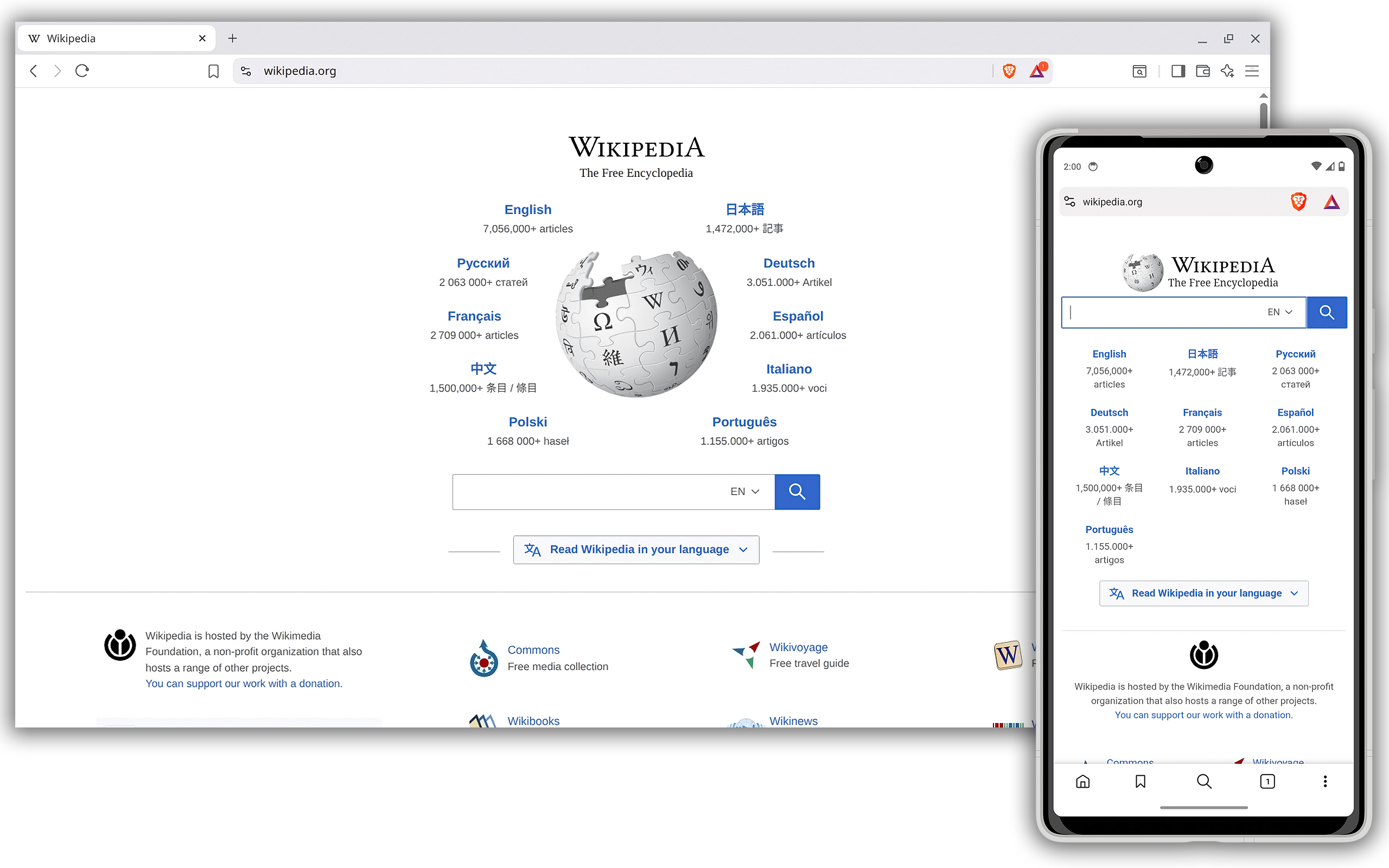
Cover: Brave Browser, capture by Paowee, October 2025, CC BY-SA 4.0, via Wikimedia Commons.
Sources: Ars Technica, The Verge