PowerShell 7 Will Ship With Windows. 5.1 Stays for Now
- PowerShell
- Windows
- Microsoft
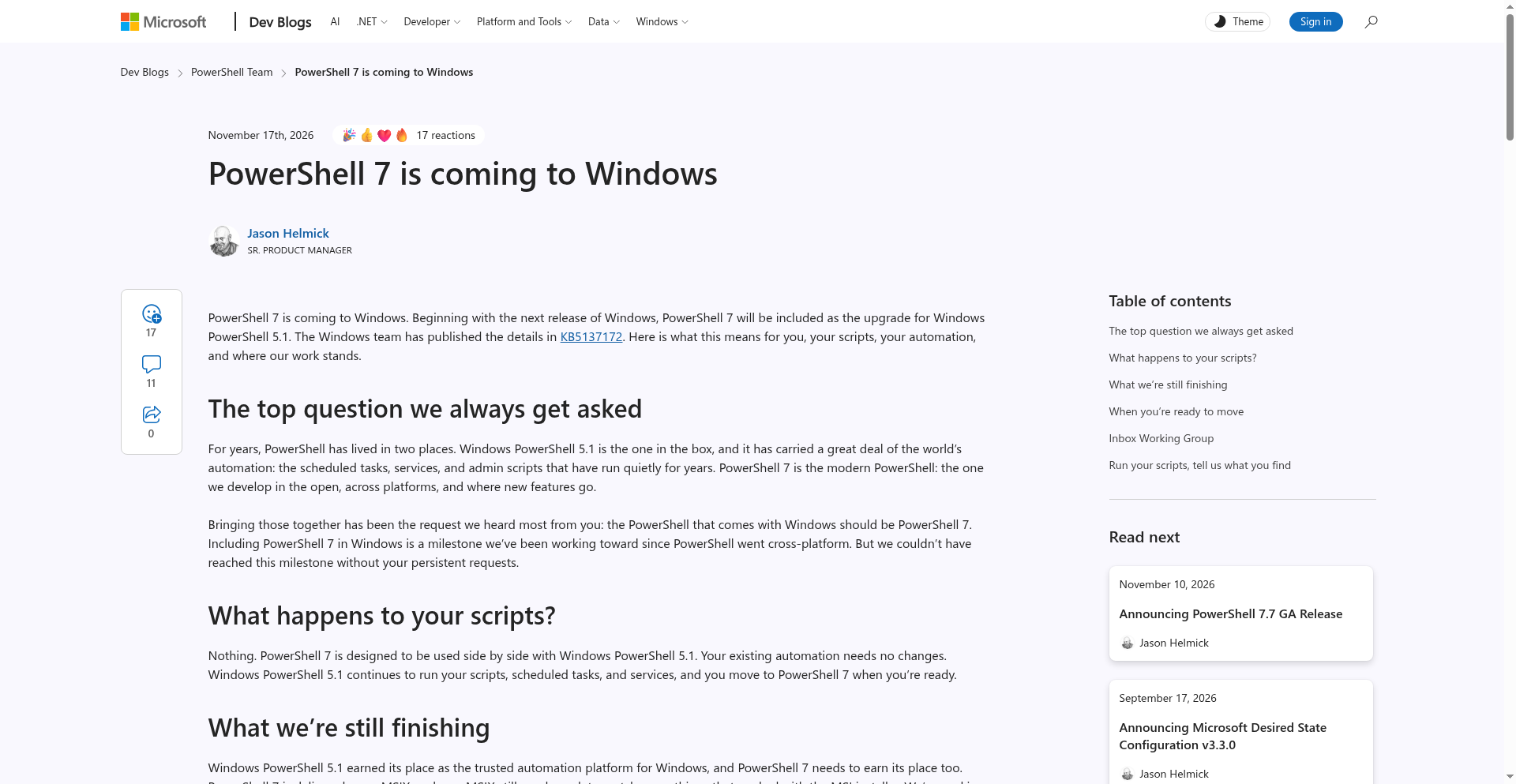
Microsoft announced on November 17 that PowerShell 7 will be included starting with the next release of Windows. It is the first time the modern, cross-platform, open-source PowerShell ships in the box, after years of living as a separate download beside the built-in Windows PowerShell 5.1.
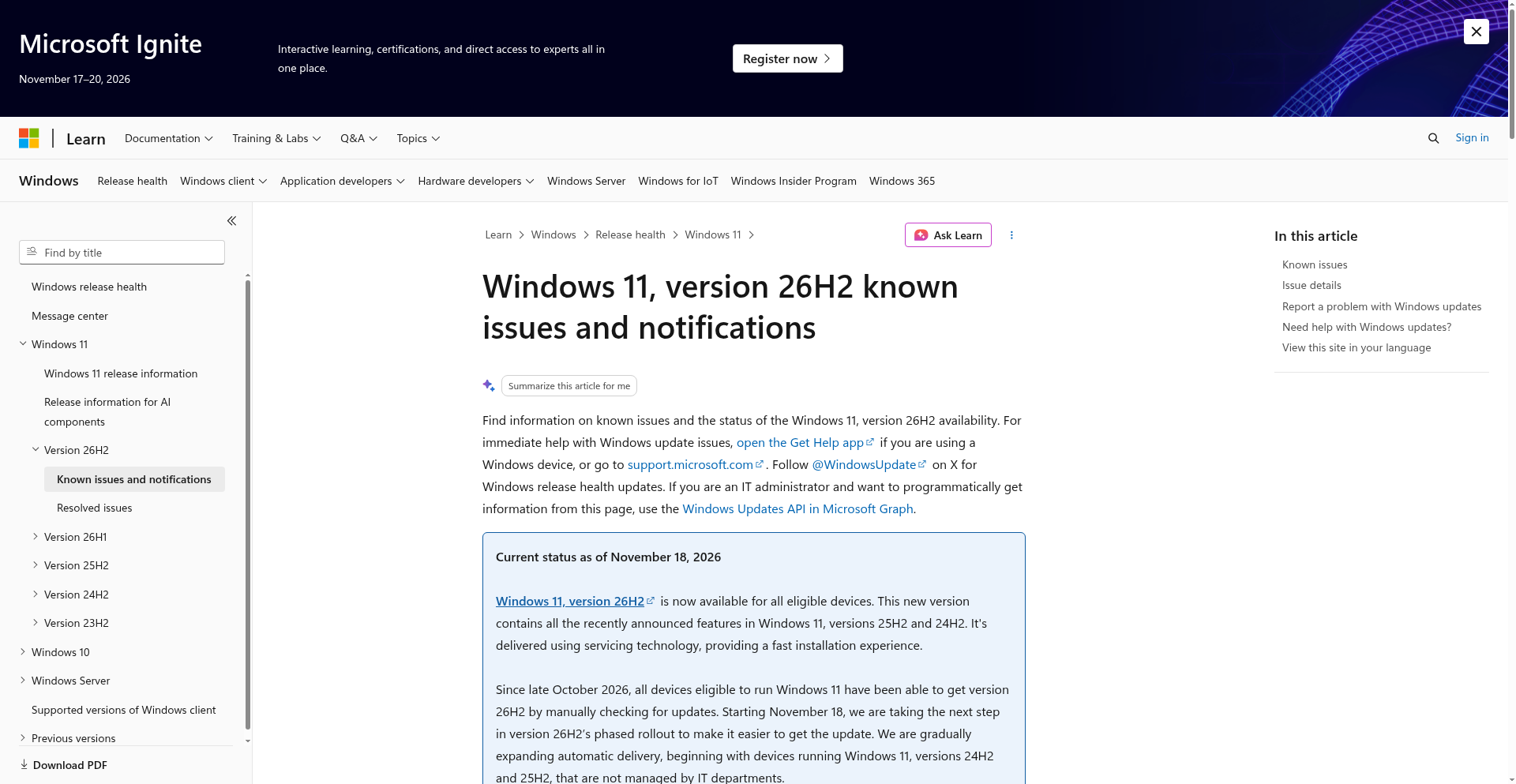
Announced is not the same as available. Microsoft has not named the Windows release that will first bundle PowerShell 7. It remains a separate install on current Windows releases. Windows 11 version 26H2 still ships with Windows PowerShell 5.1 enabled by default.
Deprecated does not mean removed
A companion support document, KB5137172, formally deprecates Windows PowerShell 5.1. The word sounds scarier than the reality: 5.1 is no longer in active development, but it remains part of Windows, stays supported, and keeps receiving security updates for the lifecycle of each Windows version. Scripts and tools that rely on it continue to run.
The published timeline is gradual. Windows Server 2025 and Windows 11 26H2 are the last versions to include 5.1 enabled by default. In the next Windows release, 5.1 becomes a Feature on Demand, still enabled by default on new installations. That qualifier is about new installations; it is not a reason to assume identical setup on every upgrade path. Removal is reserved for a later version, with timing based on usage data and communicated in advance.
Side by side, by design
PowerShell 7 is built to run next to 5.1, not over it. The separation is even visible in the executables: powershell.exe starts Windows PowerShell 5.1, while pwsh.exe starts PowerShell 7. Microsoft is explicit that existing automation needs no changes and that you move when you are ready.
"Ready" is doing some work in that sentence. Many scripts run in PowerShell 7 unchanged, some need adjustments, and some should stay on 5.1, because the two differ in places. Microsoft's advice is to test your scripts in PowerShell 7 and use its migration documentation for the differences.
Not quite finished
The in-box PowerShell 7 arrives as an MSIX package, and Microsoft lists gaps it is still closing: running as the SYSTEM account, which affects scheduled tasks, services, device-management scripts and remoting; support for DISM cmdlets; and machine-wide settings such as the all-users profile. Worth knowing before you point critical automation at the new shell on day one.
What to do now
Microsoft's own answer is: no change is required right now. The useful work is inventory. Find what calls powershell.exe across your machines, whether scripts, scheduled tasks, installers or management agents, and start new automation in PowerShell 7, which is already a free, separate install today. When the next Windows arrives with PowerShell 7 in the box, you will know exactly what still leans on 5.1.
Sources
- PowerShell Team announcement, November 17, 2026
- Microsoft Support KB5137172: Windows PowerShell 5.1 deprecation and timeline
- The Register, November 18, 2026
- Windows Central, November 17, 2026
Image: our capture of the PowerShell Team announcement on Microsoft DevBlogs, November 20, 2026. Microsoft page content; this is the announcement, not a test of the future Windows component.