claude-mem: Give Your Coding Agent a Memory That Survives the Weekend
- AI
- Developer Tools
- Open Source
There is a special ritual in my Mondays: reopen Claude Code, stare at the blank session, and type some variation of "remember the authentication bug from Friday?" It does not remember. It never remembers. By coffee number two I am re-explaining my own project to the machine that helped me build it.
claude-mem exists to end that ritual. It is a free, open-source plugin (Apache-2.0) that watches what your coding agent does during a session, compresses it with AI, and injects the relevant bits back into your next session. The agent shows up on Monday already knowing what Friday looked like.
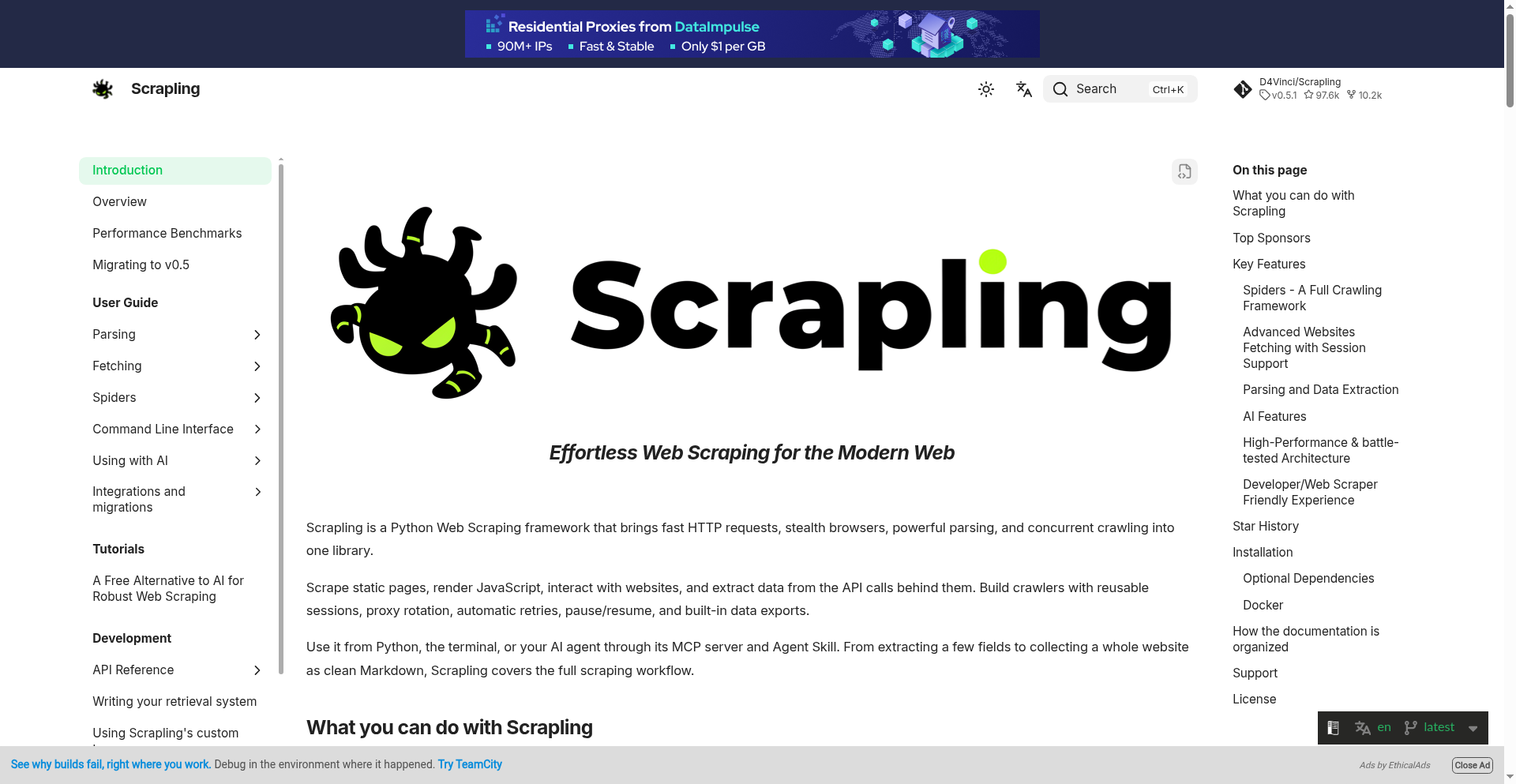
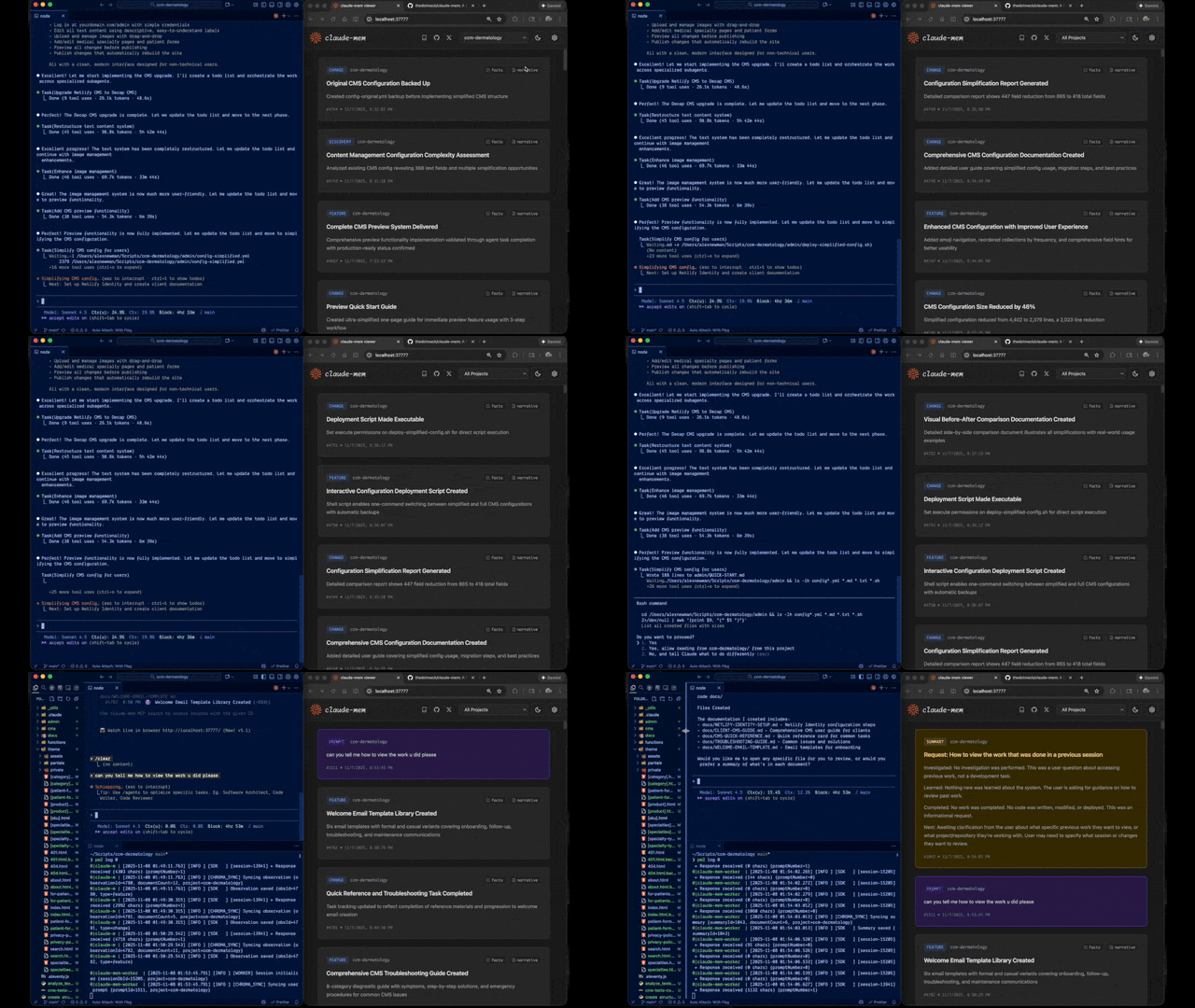
claude-mem in action: searching a project's memory from a new session. Official preview: github.com/thedotmack/claude-mem.
A memory plugin, not a new agent
Installation is one command, npx claude-mem install, or two slash commands from inside Claude Code's plugin marketplace. Despite the name, it is no longer a Claude-only affair: the current version hooks into Codex, Gemini, Copilot, OpenCode, Cursor, Grok, T3 Code, Antigravity and a few harnesses I had honestly never heard of. Under the hood it keeps a local SQLite database plus a vector index, and it exposes search tools so the agent can query its own history in natural language: first a compact index of results, then the timeline around the interesting ones, then the full details only for what matters. The developers claim roughly ten times fewer tokens than stuffing whole transcripts back into context, which is the right instinct.
A typical week with it looks like this: you install, sign in with an email magic link (no card), pick where the memory compression runs, and forget about it. Sessions start with the agent already briefed on your project's recent history, and you can ask "what did we decide about the migration?" without digging through logs. That is the intended tour from the documentation, not my personal benchmark, but it matches what 113,000 GitHub stars of curiosity look like.
There is also a small web viewer for your memories, a "My Work" page that tracks live requests and saved reviews, and an optional shared workspace called TeamBrain if a whole team wants a collective memory. Each person picks what to share, which is exactly the right default.
The honest fine print
Two things deserve a straight look. First, "free" needs a footnote. The code is free and open-source, but the default memory brain, the hosted claude-mem observer, comes as a 30-day free trial. After that, memory falls back to your Anthropic plan unless you subscribe, and you can also point it at your own OpenRouter or Gemini API key instead. So: free tool, your choice of who pays for the thinking.
Second, privacy. The project stores everything locally by default, offers <private> tags to keep sensitive content out, and recent releases redact webhook URLs, API tokens and other secrets before storage. Worth knowing: the November changelog also admits that an earlier setup flow scanned and uploaded 30 days of prompt history without asking, a mistake the developers say is fixed. I appreciate a changelog that confesses, but it is a reminder that a memory plugin, by definition, remembers. Point it at projects you are comfortable remembering.
Verdict
If you use Claude Code or another supported agent daily, claude-mem is one of those tools that fixes a frustration you had normalized. The local-first design, the token-aware search and the "pick your own provider" approach are all the right calls. Just go in with open eyes on the trial-to-paid path of the hosted observer, and maybe skim the privacy settings before your first session. Your Mondays will thank you.
Technical details, requirements and download links live on the claude-mem page here on Freewares.